Boschin ohjausyksikön opas: Valitsemalla Bosch Motorsport Ecua

Jaa:
Jaa:
By Andrius Kontrimas, moottoriurheiluinsinööri — kilpainsinööri GT3-, LMP3- ja 24H-sarjoissa. Yrityksen perustaja XTRA Motorsport.
Moottoriurheilun yhteydessä ”Bosch ECU” tarkoittaa lähes aina yhtä tiettyä asiaa: yksikköä valmistajalta. Bosch Motorsport moottorin ohjausyksikön alue — MS 6 EVO -perhe, MS 7 -sarja tai MS25-dieselyksikkö. Nämä eivät ole alkuperäisiä Bosch-ohjausyksiköitä, joita löytyy maantieautoista, eivätkä ne ole keskenään vaihdettavissa. Ne ovat itsenäisiä, täysin kalibroitavia kilpa-ohjainyksiköitä, jotka toimivat samalla RaceConilla ja WinDarab työkaluketju koko valikoimassa – GT4:stä ja GT3:sta aina huippuluokan prototyyppiluokkiin asti.
Tämä opas selittää, mitä Bosch Motorsport ECU-yksikkö kertoo, miten nykyinen mallisto on jäsennelty ja miten yksikkö sovitetaan moottoriin — polttoainejärjestelmän (imu- tai suoraruiskutus), tiivistyksen ja liittimen tason sekä anturikanavien määrän perusteella. Jos vielä vertailet Bosch Motorsport verrattuna muihin moottorinhallintajärjestelmiin, lue Kuinka valita erillinen ECU ensinnäkin; tässä artikkelissa oletetaan päätös juosta Bosch Motorsport on jo tehty.
A Bosch Motorsport Moottorinohjausyksikkö (ECU) on kilpakäyttöön tarkoitettu moottorinohjain. Se on suljettu, tärinänvaimennettu ja kytketty moottoriurheilujohtosarjaan tehdasjohdon sijaan. Se kalibroidaan RaceConissa, tiedot tallennetaan sisäiseen muistiin ja tiedot analysoidaan... WinDarabEi ole alkuperäisen valmistajan "hiljaista kotiin" -käyttäytymistä, ei jälleenmyyjän työkalua eikä lukittua karttaa.
Tämä on eri tuote kuin sarjatuotantoautoihin asennettavat Boschin ohjausyksiköt. Alkuperäinen Boschin ohjausyksikkö on suljettu, mallikohtainen yksikkö, jonka valmistaja on kalibroinut. Bosch Motorsport ECU on avoin alusta: moottori, anturit, lähtösignaalit ja strategiat määrittelee kaikki tiimi tai viritin. Myös laitteisto on rakennettu eri standardin mukaisesti — IP54–IP67-tiivistys, laaja käyttölämpötila-alue ja moottoriurheilutason liittimet.
Kaikki alla olevat bensiinimoottorit sopivat jopa 12-sylinterisiin moottoreihin. MS25 SPORT on dieselmoottoripoikkeus.
| Malli | prosessori | Tiivistys | Analogiset tulot | Injektio | Huomautuksia |
|---|---|---|---|---|---|
| MS 6.1 EVO | 667 MHz | IP54 | 21 | Portti (PFI) | Entry MS 6 EVO |
| MS 6.2 EVO | 667 MHz | IP54 | 38 | Portti (PFI) | Korkea analogiatulon PFI |
| MS 6.3 EVO | 667 MHz | IP54 | 21 | LP + HP (GDI) | Suoraruiskutus |
| MS 6.4 EVO | 667 MHz | IP54 | 38 | LP + HP (GDI) | Käytetään GT3:ssa — Audi R8 LMS, Lamborghini Huracán, BMW M4 GT3 |
| MS 6.4P EVO | 866 MHz | IP54 | 38 (+8 jaettua) | LP + HP (GDI) | Nopeampi prosessori, suurempi muisti |
| MS 7.8 | 1 GHz | IP67 | 46 | Integroitu LP + HP | Nykyinen MS 7 -yksikkö; sylinterin sisäiset painetulot |
| MS 7.4 | 1 GHz | IP67 | 41 | Integroitu LP + HP | Aikaisempi MS 7 -yksikkö |
| MS25 SPORT | - | IPx9K | 96 tuloa | Yhteispaineruiskutusdiesel | Diesel, jopa 8-sylinterinen, 12/24 V |
Ensimmäinen päätös on, minkä laitesukupolven moottori ja luokka vaativat. MS 6 EVO- ja MS 7 -sarjat eroavat toisistaan neljällä tavalla, joilla on merkitystä johtosarjan ja katsastuksen osalta:
Missä kukin sukupolvi kulkee: MS 6 EVO mallisto on GT4- ja GT3-työjuhta. Suoraruiskutus MS 6.4 EVO käytetään nykyisissä GT3-koneissa, kuten Audi R8 LMS:ssä, Lamborghini Huracán GT3:ssa ja BMW M4 GT3:ssa – nykyaikaiset GT4- ja GT3-moottorit ovat pääasiassa suoraruiskutusjärjestelmiä, minkä vuoksi GDI-yhteensopivat MS 6.3/6.4 -yksiköt hallitsevat tätä aluetta. MS 7 -sarja sijoittuu sen yläpuolella prototyyppiluokkien kärkipäässä (LMH ja LMDh — Hypercar Le Mansissa ja GTP IMSA:ssa), nelisylinteristen turbojen DTM-aikakaudella ja huipputason rallicrossissa.
Bensiinimalliston osalta valinnan ratkaisee kaksi kysymystä. Ei ole olemassa tiettyä sovellustasoa, johon ostaa – laitteistoerot ovat konkreettisia.
| Moottori / vaatimus | Suositeltu ohjausyksikkö |
|---|---|
| Porttiruiskutus, pienempi anturimäärä | MS 6.1 EVO |
| Porttiruiskutus, korkea anturimäärä | MS 6.2 EVO |
| Suoraruiskutus (GDI), pienempi anturimäärä | MS 6.3 EVO |
| Suoraruiskutus (GDI), paljon antureita | MS 6.4 EVO |
| Suorainjektio vaatii nopeamman prosessorin / enemmän muistia | MS 6.4P EVO |
| Prototyyppitason moottori, sylinterin sisäinen paineanalyysi, IP67 | MS 7.8 |
| Common-rail-dieselmoottori (jopa 8 sylinteriä) | MS25 SPORT |
Kaksi nyrkkisääntöä läpäisee loput. Ensinnäkin, Laske analogiset tulot ennen valintaa. Jokaisessa MS 6 EVO -ruiskutustyypissä on 21-tuloinen yksikkö ja 38-tuloinen yksikkö – MS 6.1 vs. 6.2 porttiruiskutusta varten, MS 6.3 vs. 6.4 GDI:tä varten. Kartoita jokainen anturi, lisää vara ja valitse sitten. Toiseksi, Suoraruiskutus on ehdoton vaatimus, ei päivityspolku. Suoraruiskutuksella varustettua MS 6.1- tai 6.2-moottoria ei voida myöhemmin muuttaa suoraruiskutukseksi; GDI-moottori tarvitsee alusta alkaen MS 6.3/6.4/6.4P- tai MS 7 -yksikön.
MS 6.3-, 6.4- ja 6.4P EVO -moottoreissa suoraruiskutus on mahdollista lisävarusteena saatavan HP (korkeapaine) -paketin avulla, joka tukee kaksirivistä korkeapaineruiskutusta V- ja boksimoottoreissa, joissa on kaksi erillistä polttoainekiskoa. MS 7.4- ja MS 7.8 -moottoreissa on integroidut korkeapaineruiskutusvaiheet ja ne tukevat kolmoisruiskutusstrategioita (porttisuutin ja kaksi GDI-suutinta sylinteriä kohden). Dieselmoottoreissa MS25 SPORT on ainoa erillinen yksikkö: yhteispaineruiskutuksella varustetut solenoidisuuttimet, jopa 8 sylinteriä, 12 V tai 24 V järjestelmät ja IPx9K-tiivistys moottoritilaan asennusta varten.
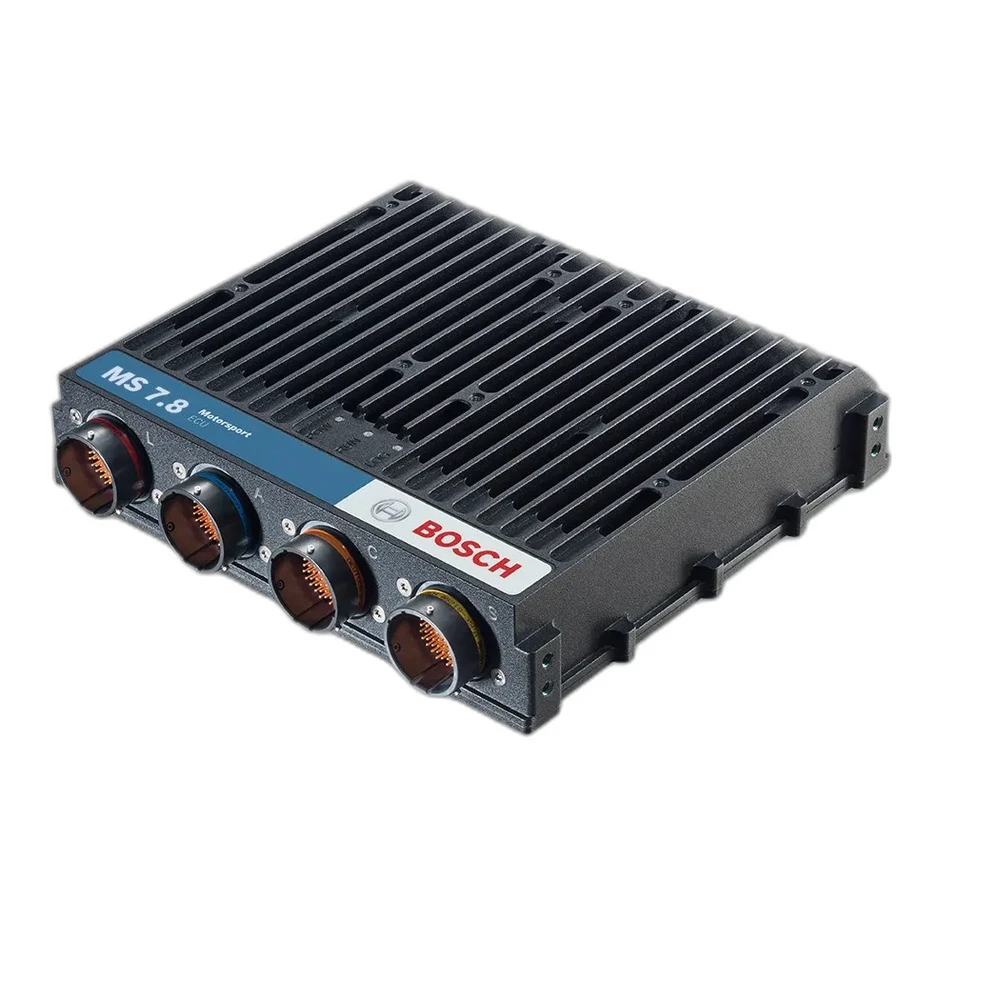
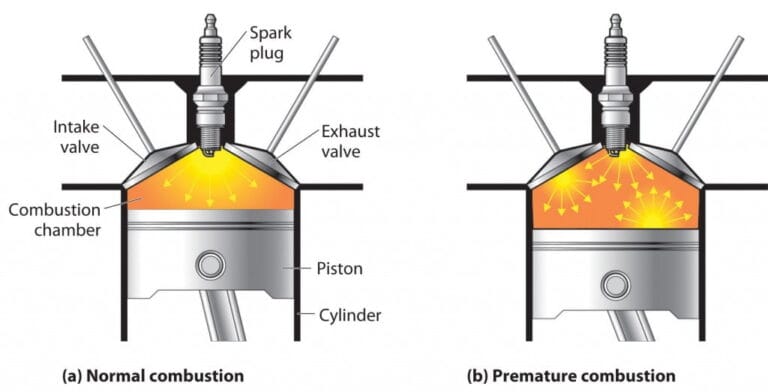
MS 7 -sarjan yksi määrittävistä ominaisuuksista on, että se pystyy lukemaan sylinterin sisäisiä paineantureita suoraan ilman erillistä ohjausrasiaa. MS 7.8 tarjoaa nopeat sylinterin paineen ADC-tulot, jotka kytketään pietsosähköisiin sylinterin sisäisiin muuntimiin, jolloin saadaan kampiakselin kulman mukaan eroteltuja painekäyriä sylinteriä kohden. Vakiomalliset kiihtyvyysanturilla varustetut nakutusanturit havaitsevat tärinää moottorin rakenteen läpi – latenssilla ja sylinterien välisellä kontaminaatiolla. Sylinterin sisäisen paineen mittaus havaitsee palamistapahtumat niiden lähteellä, jolloin sytytyksen ajoitus pysyy todellisen nakutusrajan mukaisena sylinteriä kohden. Tämä on yksi tärkeimmistä syistä, miksi MS 7 -sarja on valittu prototyyppitasolla.
Bosch Motorsport Yleiskatsaus MS 7 -alustaan:
Koko Bosch Motorsport ECU-alue jakaa yhden PC-ohjelmisto työkaluketju (PC-työkalut ovat yhteisiä koko mallistossa; jokainen ECU käyttää edelleen omaa laiteohjelmistoaan). Tämä jaettu työkaluketju on suuri osa siitä, miksi tiimit pysyvät samassa Bosch Motorsport alue.
Kannettavan tietokoneen liittämiseen ECU:hun tarvitset MSA-laatikko 2 — standardi PC-ECU-liitäntä Bosch Motorsport alue. Sitä ei voida kalibroida ilman sitä, joten varaa se budjetissasi jokaisen ohjausyksikön oston yhteydessä.
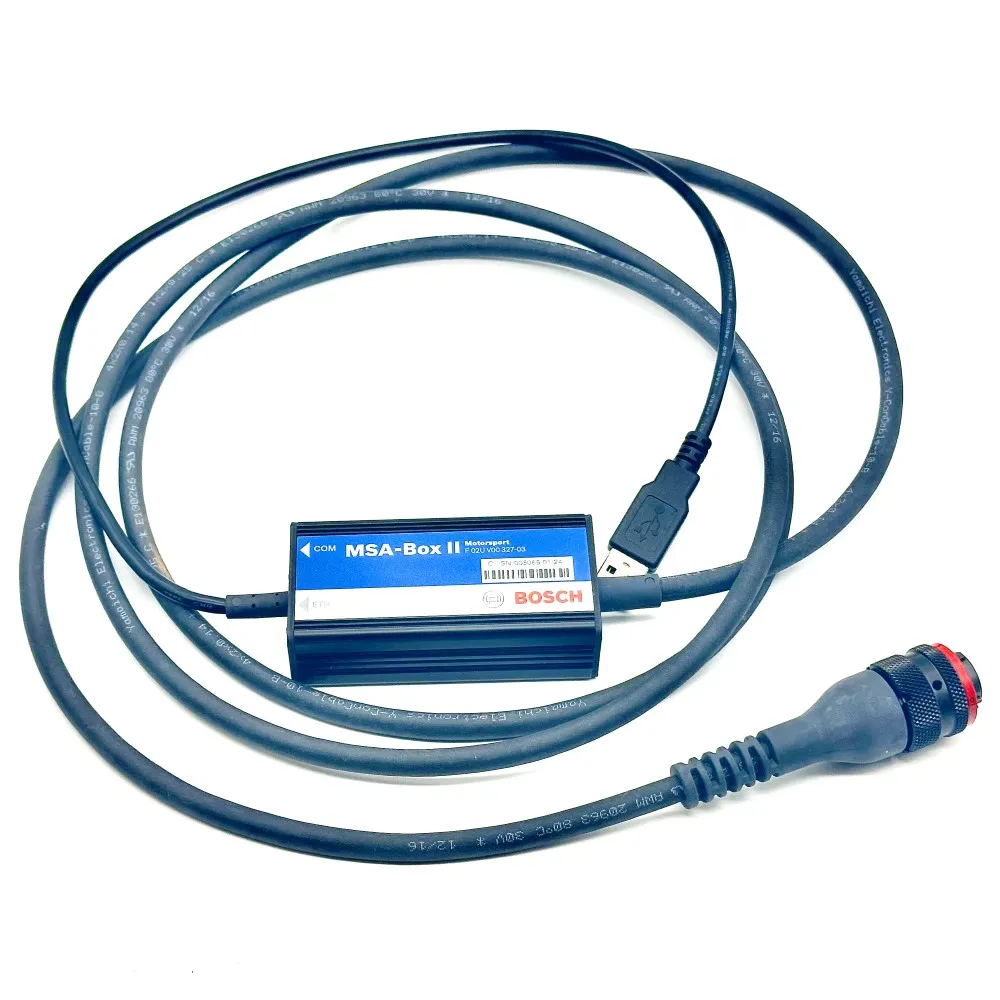
A Bosch Motorsport Ohjainyksikkö toimii harvoin yksin. Liitin, virransyöttö, anturit ja alustan laitteisto integroituvat CAN- ja (MS 7 -sarjassa) SERCOS Ethernet -liitännän kautta:
Katso koko laitteistovalikoima, mukaan lukien näytöt ja dataloggerit, osoitteesta Bosch Motorsport luokka.