Motorsport wiring demands materials that survive high vibration, fuel exposure, abrasion, and extreme temperature cycles — conditions that quickly destroy standard automotive wire. At the core of every professional race harness are three things: the right wire, the right protection, and reliable identification. All materials ship worldwide via DHL or UPS — same-week dispatch on available orders.
Motorsport Wire
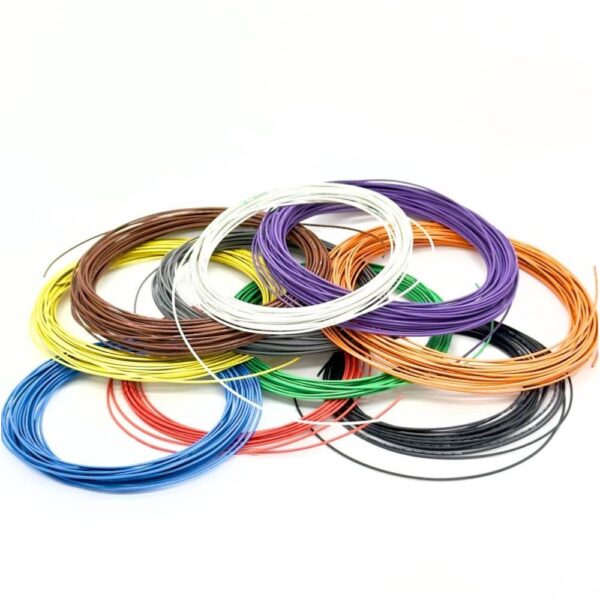
We stock Tefzel wire (ETFE insulation) to MIL-spec M22759/32 — the benchmark wire for ECU harnesses, PDM wiring, and sensor circuits in motorsport. Available from 12 AWG down to 24 AWG, sold by the metre or in full spools, in 10 colours. For shielded applications — knock sensors, crank triggers, CAN networks — we also carry M27500 shielded Tefzel wire and twisted CAN bus wire.
M22759/32 vs Spec55: M22759/32 is the US military specification for cross-linked ETFE wire. Spec55 (Raychem part series 55A0111) is TE Connectivity’s commercial product built to the same specification. Both are functionally identical for motorsport — all XTRA wire meets M22759/32.
Wire gauge quick-reference
Working current based on a single conductor in free air with 30°C temperature rise (Marmon Aerospace & Defense ampacity table). Derate for bundled runs.
AWG
Conductor (mm²)
Working current
Typical motorsport circuit
12
3.31
27 A
Main power feeds, high-current relay outputs
14
2.08
21 A
PDM outputs, fuel pump, cooling fan
16
1.31
15 A
Secondary relay feeds, ignition coil power
18
0.82
13 A
Relay outputs, coil-on-plug power
20
0.52
10 A
Solenoids, boost control, smart coil triggers
22
0.33
8 A
Injectors, sensors, ECU digital I/O — most common gauge
24
0.21
6 A
Low-current sensors, thermocouple compensation
Motorsport Heat Shrink & Protection
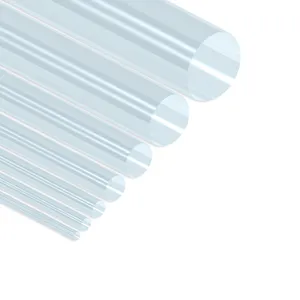
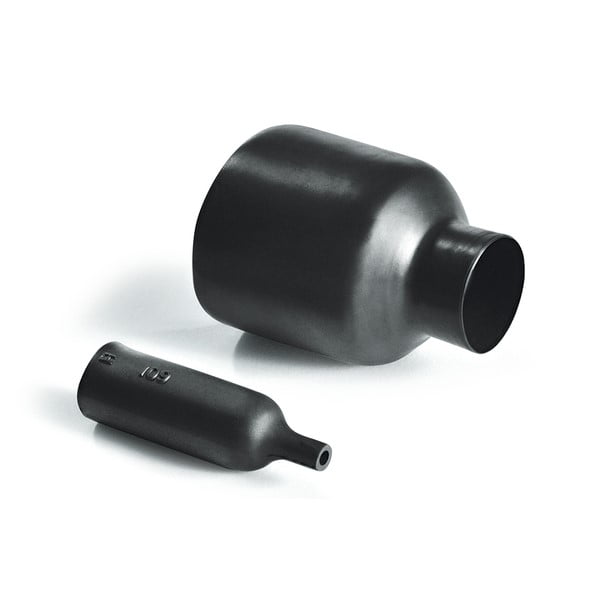
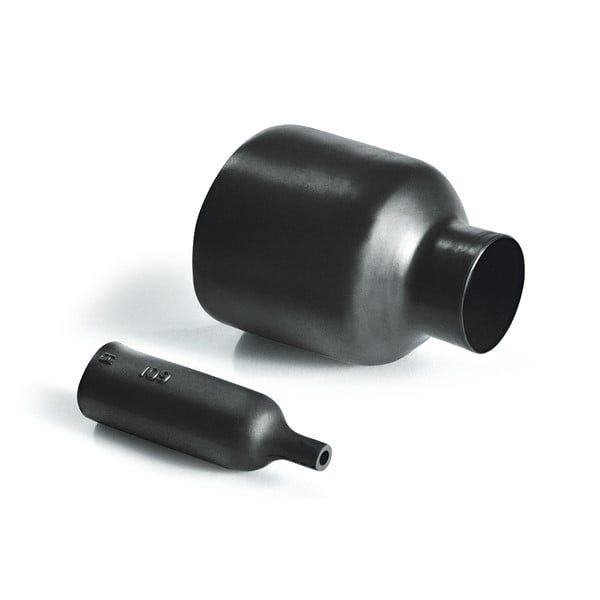
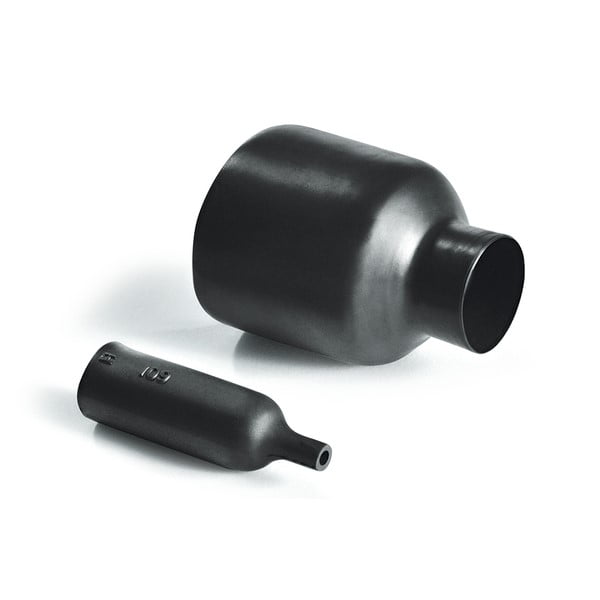
Raychem DR-25 is the standard outer jacketing for professional race harnesses: flame-retardant, 2:1 shrink ratio, chemical resistant, rated −75°C to +150°C. Adhesive-lined products — SCL and HTAT — seal transitions and connector entries. RT-375 is a clear high-temperature product used as a window over adhesive identification labels. HFT5000 provides a secondary outer jacket in zones with direct fuel or hydraulic fluid exposure.
Secondary outer jacket where fuel, oil, or hydraulic exposure is severe
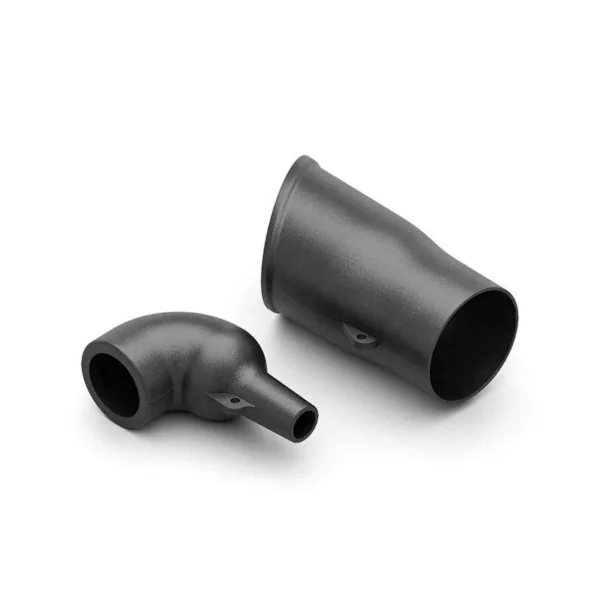
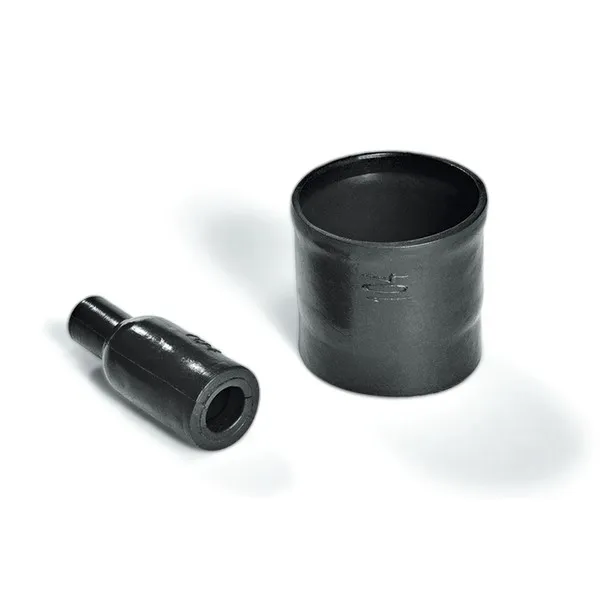
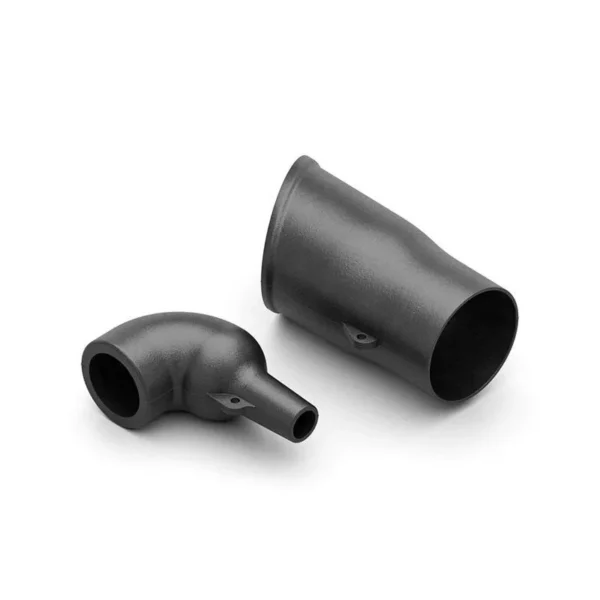
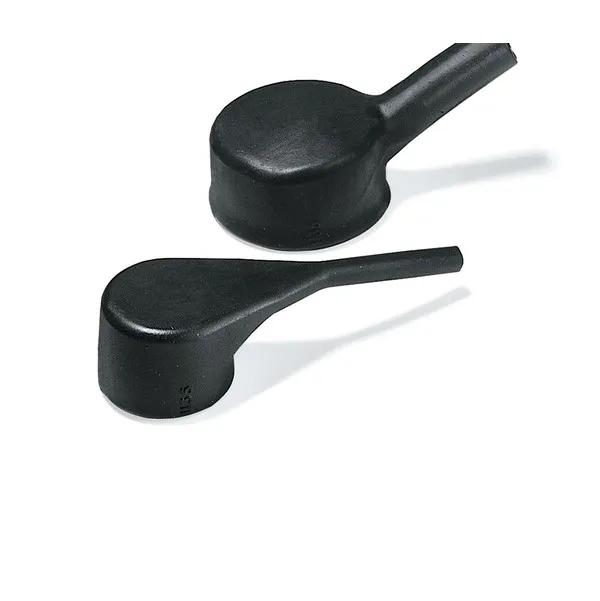
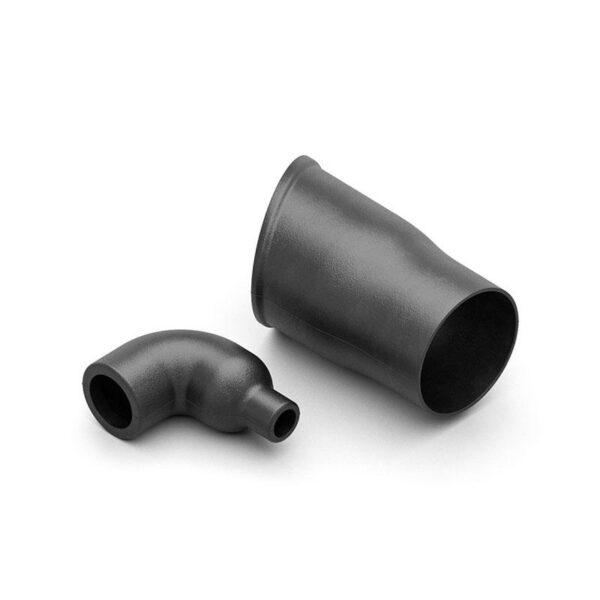
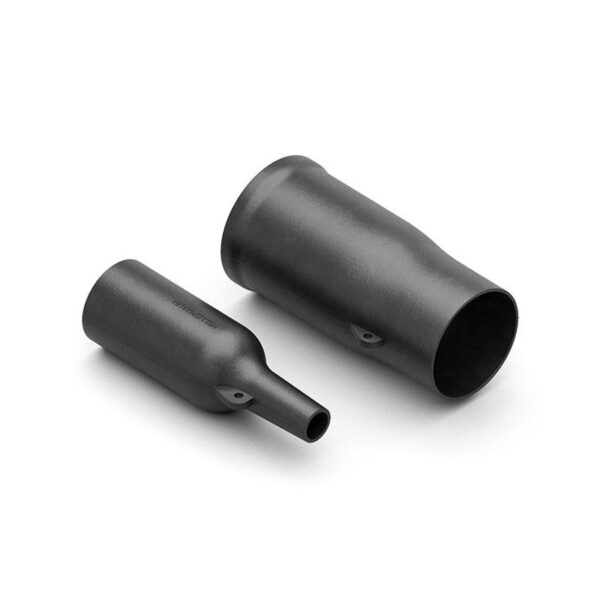
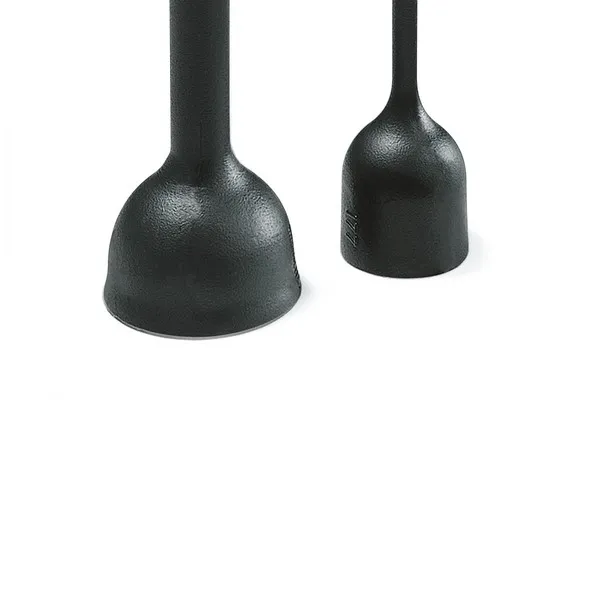
Heat shrink boots from Raychem and HellermannTyton provide strain relief and full environmental sealing at connector exits in straight and 90° moulded shapes.
Harness Sleeving & Cable Organisation
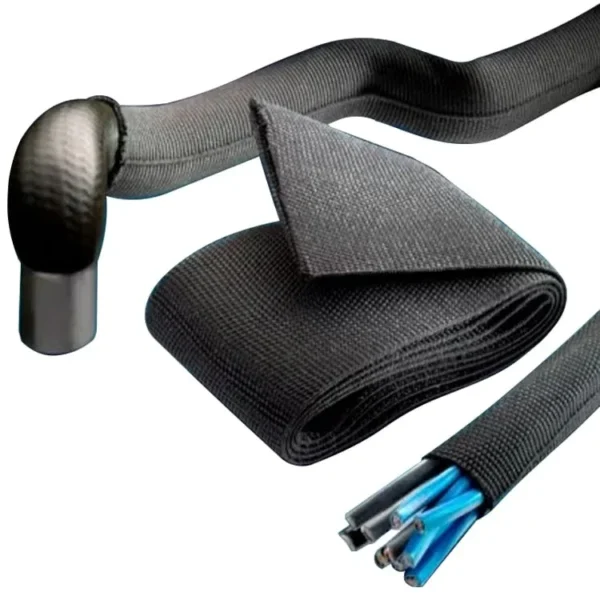
Roundit 2000 wrap-around sleeving simplifies both first installation and maintenance — split side-entry design installs without disconnecting connectors, with EMI and mechanical protection from −65°C to +260°C. Wiring ident kits complete the system with professional circuit labelling.
Motorsport Wiring Applications
ECU engine harness, PDM power distribution wiring, ABS and traction control circuits, sensor looms, CAN bus networks, dashboard and data logging harnesses.
FAQ
What is the difference between M22759/32 and Spec55?
M22759/32 is the US military specification for cross-linked modified ETFE (Tefzel) wire. Spec55 is the TE Connectivity / Raychem commercial product name for wire built to that same specification — part series 55A0111. Both are tin-plated copper conductors with cross-linked ETFE insulation rated to 150°C and 600V. For motorsport use they are interchangeable. All Tefzel wire offered by XTRA Motorsport meets M22759/32.
Which heat shrink should I use — DR-25, SCL, or HTAT?
DR-25 is the standard outer jacket for the entire harness — use it everywhere to cover and protect loom branches. SCL (3:1, adhesive-lined) is for splice protection and sealed entries where adhesive needs to flow into gaps between conductors. HTAT (4:1, adhesive-lined) handles large-diameter transitions and connector boot sealing where a higher shrink ratio is needed. Most builds use DR-25 throughout with SCL or HTAT only at transition points.
Do I need adhesive-lined heat shrink for the outer loom?
No. DR-25 is intentionally non-adhesive so the loom stays flexible and remains repairable — you can cut it back cleanly if a repair is needed. Adhesive-lined products are only for sealed transitions and splices, not for general loom jacketing.
What wire gauge should I use for sensors, injectors, and power feeds?
For most sensor and ECU I/O circuits: 22 AWG. Injectors and smart coils: 22 AWG. Solenoids and relay-triggered outputs: 20 AWG. Switched 12V feeds (fans, pumps): 16–18 AWG. PDM main power and chassis feeds: 12–14 AWG. All gauges are for M22759/32 single conductor in free air with a 30°C temperature rise — derate for bundled harness sections.
Can I use standard TXL or GXL automotive wire for a race harness?
TXL wire (rated 125°C) is acceptable for club-level and track-day builds where the harness does not pass near exhaust or turbo heat sources and environmental sealing is not required. For any professional build, sealed connector system, or routing near engine heat, use M22759/32 (rated 150°C). Standard PVC-insulated automotive wire (85°C) is not suitable for motorsport applications.