
Standalone ECU (Engine Control Units)
A standalone ECU replaces your factory engine management entirely, giving full control over fuelling, ignition, traction control, launch control, and advanced motorsport functions. Unlike a piggyback system or a reflash, a standalone unit is not limited by OEM hardware. It is built for tuning precision and reliability under racing conditions, and it is the aftermarket ECU route once a build’s power, cam profile, or forced-induction hardware has moved past what the factory ECU’s maps and channel count were designed for.
How to choose a standalone ECU
Count your I/O before you compare brands. List every injector, ignition coil, sensor, and CAN device the build needs, then add the channels a PDM or dash connection will use. Match that total to the ECU’s input and output count with some headroom: running out of channels after purchase means a different ECU, not an add-on card. A turbocharged 4-cylinder with drive-by-wire and basic motorsport functions typically needs 11–13 analog inputs; an 8-cylinder with dual DBW and dual lambda needs closer to 20.
Decide plug-in or wire-in early. A plug-in ECU uses the factory connector on a supported chassis, so the OEM injector, ignition, and sensor wiring stays in place and there is no harness to build. Once the build adds a DBW conversion, extra sensors, or a PDM the OEM connector cannot carry, a wire-in ECU and a custom harness become the only option. Budget the harness as a separate line item: a professional loom in Tefzel wire with Deutsch or Autosport connectors often costs as much as the ECU itself.
Check the software and CAN ecosystem before the spec sheet. The ECU has to talk to your dash, PDM, and data logger, and it has to be one your tuner already knows. Platform familiarity on the dyno matters more than any single feature. An ECU with an open, documented CAN protocol keeps third-party dash and PDM options open; a closed protocol locks you into one manufacturer’s peripherals.
Standalone ECU ranges we stock
Emtron is our primary range and the platform we know best in-house. Emtron KV8, KV12, and KV16 scale the same architecture up in cylinder count and I/O for builds running dual DBW, dual lambda, and CAN-connected peripherals without needing expansion hardware. The Shadow 8 covers 8-cylinder applications at a lower channel count, and the SL4, SL6, and SL8 are the entry point for 4-, 6-, and 8-cylinder builds that do not need the KV series’ full channel count.
Link’s G5 Voodoo Pro is a wire-in ECU with 24 drive outputs (12 injection, 8 ignition, 4 shared), 12-cylinder sequential control, native direct-injection support, dual onboard wideband lambda and four H-bridge outputs for e-throttle. The G4X range covers many OEM plug-in platforms including Subaru, Mitsubishi, Honda, Nissan, and Toyota; see our plug-in ECU listings for specific chassis fitment.
As an authorised Bosch Motorsport dealer, we supply the full Bosch MS6 EVO range, including the MS6.3 and MS6.4 variants with dedicated GDI injector drivers for direct-injection engines, supplied to order. The MoTeC M130 and the wider M1 series are also available to order for high-channel-count race programmes.
Not sure which range fits your build? Read our guide to choosing a standalone ECU. It walks through I/O counting, CAN protocol, tuner selection, and a full brand-by-brand comparison in more depth than a category page can carry.
FAQ
What is the difference between a standalone ECU and an aftermarket ECU?
They describe the same category of product. “Standalone” refers to the ECU running independently of the factory engine management, with its own maps and I/O. “Aftermarket ECU” is the wider term for any non-OEM engine control unit, standalone or piggyback. In practice, when someone asks for an aftermarket ECU for a race build they mean a standalone unit.
Do I need a wire-in ECU or is a plug-in enough?
A plug-in ECU is enough if the engine stays in its original chassis with the factory wiring intact and the build does not add channels the OEM connector cannot carry. A DBW conversion, extra sensors, or a PDM with CAN devices push the build to a wire-in ECU and a custom harness.
Which standalone ECU should I buy?
The ECU your tuner already runs, provided it has enough I/O for the build. Brand alone rarely decides the outcome; a tuner with hundreds of hours in one platform’s software will get more out of it than a novice on a technically superior unit.
Do you supply the wiring harness as well as the ECU?
Yes. See our motorsport wiring range for the Tefzel wire, connectors, and heat shrink used to build the harness alongside any wire-in ECU listed here.
Showing 49–64 of 64 results
-

LinkECU PlugIn Mazda RX7 Series 6
-

LinkECU PlugIn Mazda RX7 Series 7-8
-

LinkECU PlugIn Mitsubishi EVO IV–VIII
-
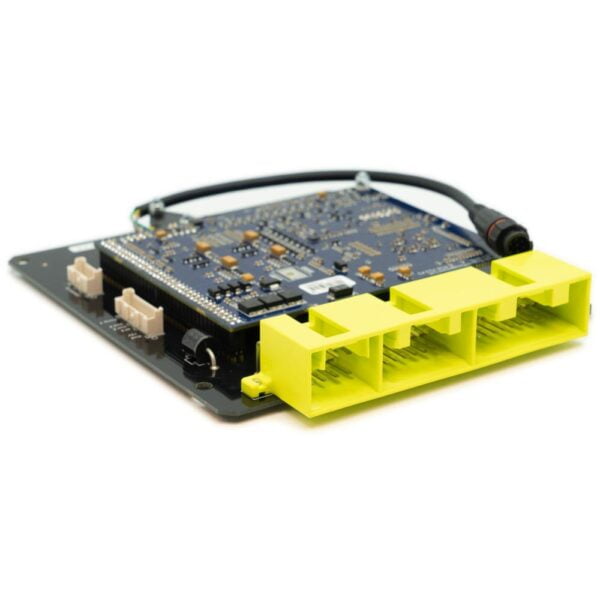
LinkECU PlugIn Mitsubishi VR4 4G63T
-
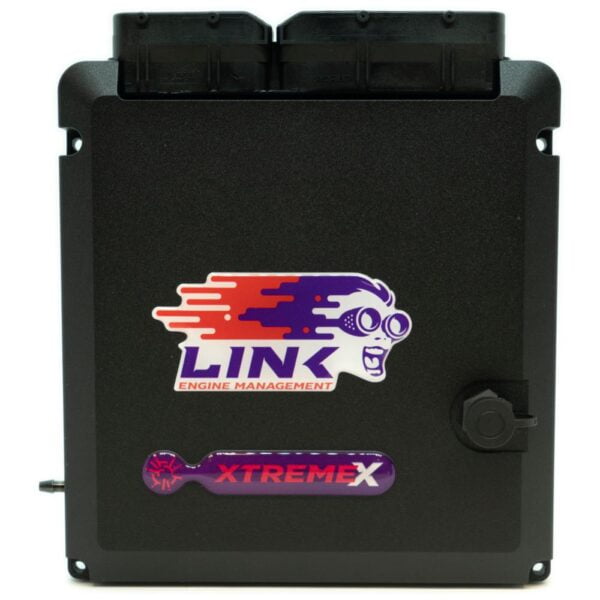
LinkECU PlugIn Nissan 350Z VQ35DE
-
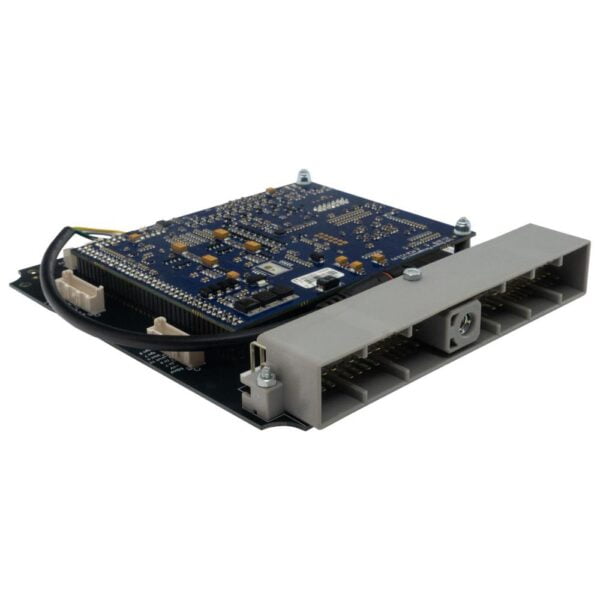
LinkECU PlugIn Nissan RB25DET NEO
-
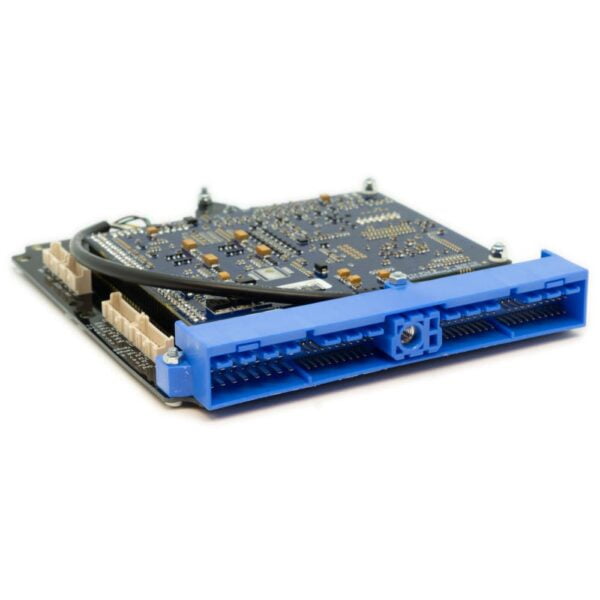
LinkECU PlugIn Nissan S13-14 76 pin
-

LinkECU PlugIn Nissan S15
-
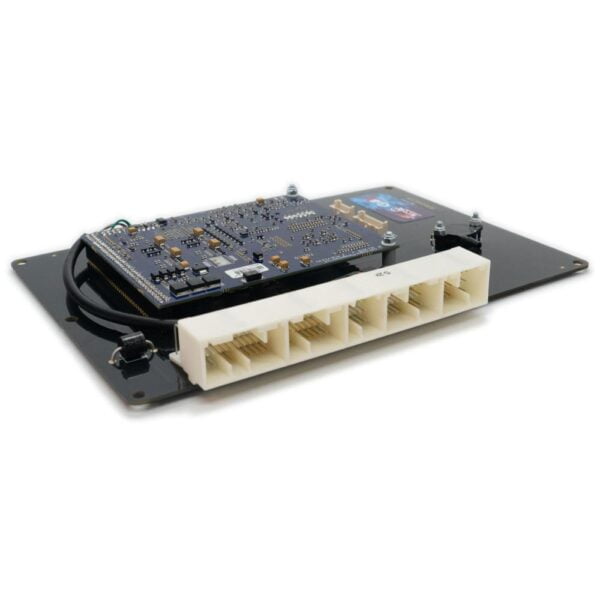
LinkECU PlugIn Toyota Altezza 3SGE
-

LinkECU PlugIn Toyota JZX100
-
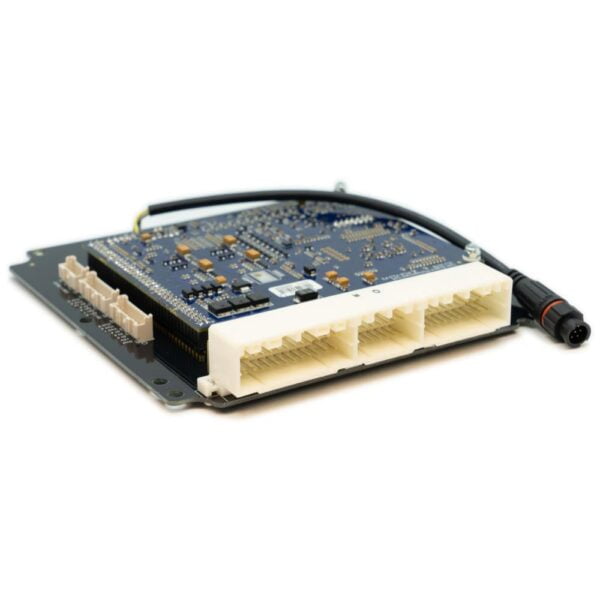
LinkECU PlugIn Toyota MR2 Gen3 and Celica ST205
-
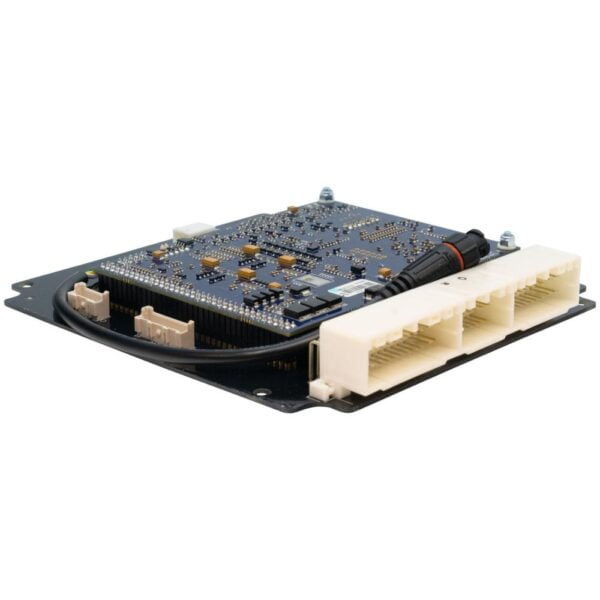
LinkECU PlugIn Toyota MR2 V1 and Celica ST185
-
MoTeC M1 Data Logging Level 2
-
MoTeC M1 GPR Firmware
-
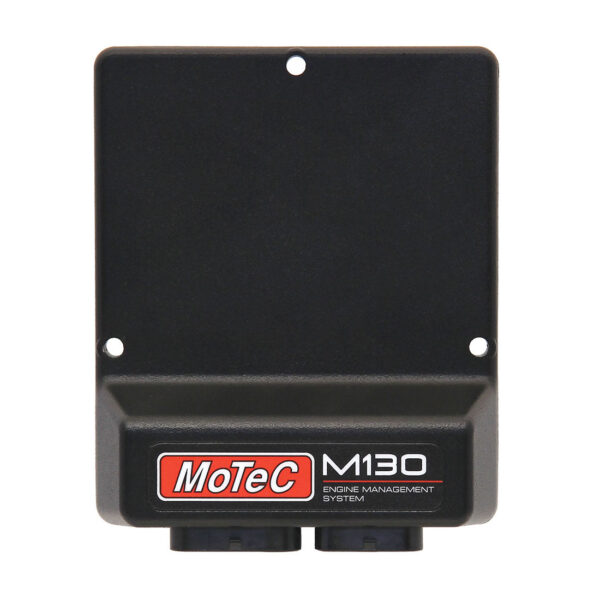
MoTeC M130 ECU
-
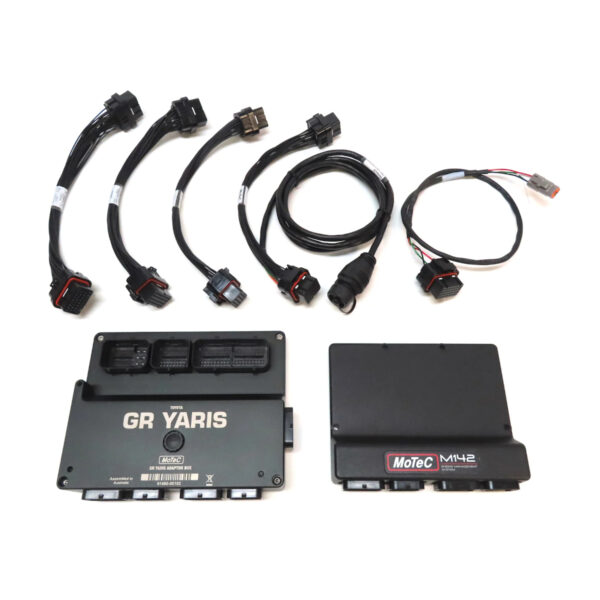
MoTeC M142 Toyota Yaris GR 2020 Kit